Introduction
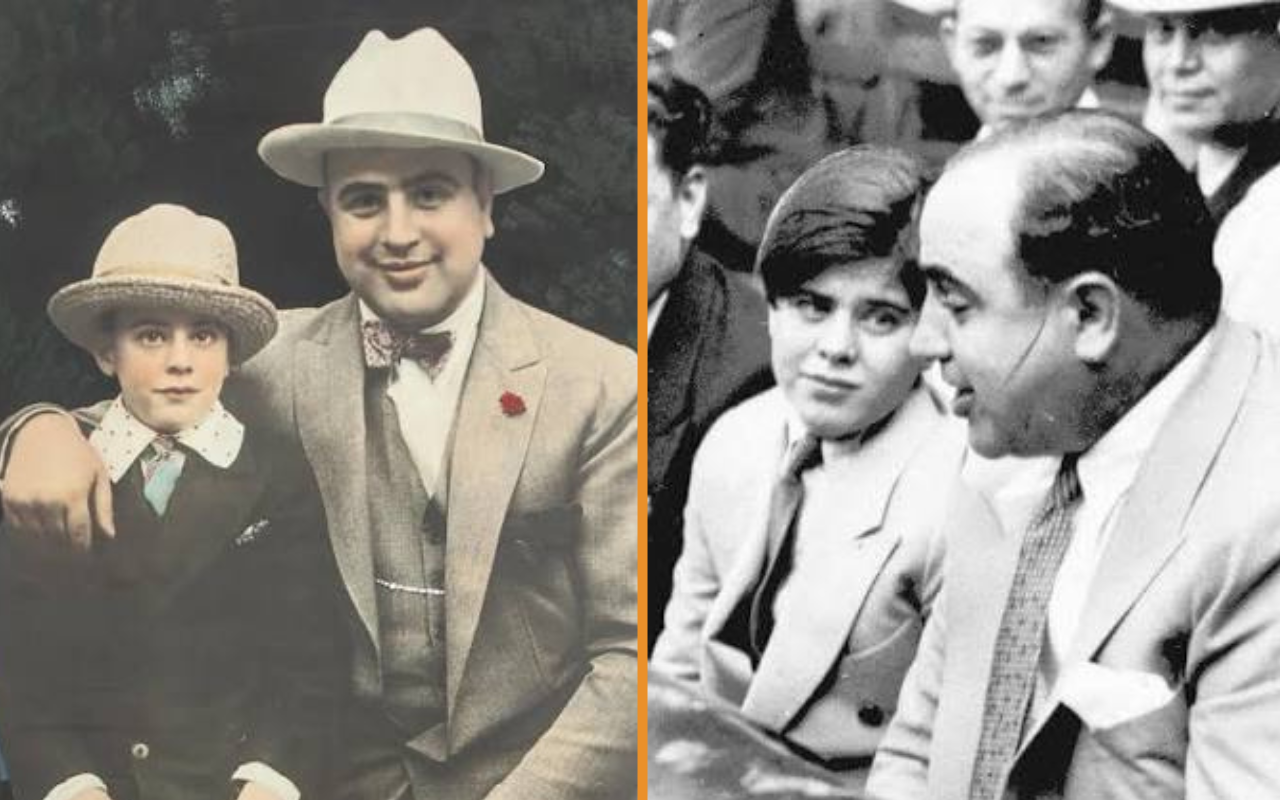
Al Capone is one of the most recognized names in American criminal history. Known as the powerful Chicago gangster who controlled a major organized crime network during the Prohibition era, Capone became a symbol of the American underworld in the 1920s and early 1930s. However, behind the headlines, investigations, and criminal empire was a family man who had a wife and one child. His only son, Albert Francis “Sonny” Capone, lived a life very different from his famous father.
Unlike many people who inherit the reputation or influence of powerful families, Sonny Capone did not continue his father’s criminal activities. Instead, he spent decades trying to build a normal life away from the attention surrounding the Capone surname. His story is not about crime, but about identity, family, and the challenges of living with one of the most famous names in American history.
Who Was Al Capone’s Son?
Al Capone’s son was Albert Francis Capone, better known as Sonny Capone. He was born on December 4, 1918, in Brooklyn, New York, to Alphonse Gabriel Capone and Mary Josephine “Mae” Coughlin. He was the only child born to the couple.
At the time of Sonny’s birth, Al Capone was beginning his rise in the criminal world. Within a few years, he would become the leader of the Chicago Outfit, one of the most influential organized crime groups in the United States during the Prohibition period.
Although Al Capone became known publicly as a ruthless gangster, his relationship with his son was often described as loving and protective. Capone wanted Sonny to have opportunities that were separate from his own dangerous lifestyle. He reportedly hoped his son would avoid the criminal world and build a respectable future.
Childhood of Albert Francis “Sonny” Capone
Growing up as Al Capone’s only child came with both advantages and difficulties. Sonny lived a comfortable childhood because of his father’s wealth, but he also faced the challenges of being connected to one of the most controversial figures in America.
During his early years, Sonny experienced serious health problems. He developed a severe ear infection that resulted in hearing problems, particularly affecting his left ear. Some historical accounts suggest that other childhood health complications may have been linked to illnesses affecting his parents.
Despite these challenges, Sonny received attention and care from his parents. His mother, Mae Capone, played a major role in creating a stable family environment, while Al Capone attempted to keep his son away from the violence and conflicts surrounding organized crime.
Al Capone’s Relationship With His Son
Many people expected Al Capone’s son to become involved in his father’s criminal organization, but Capone reportedly wanted the opposite. He understood the dangers of the lifestyle he had chosen and did not want Sonny to experience the same risks.
Al Capone was known publicly as a gangster, but his family life showed another side of his personality. He was described by some historians as a devoted father who enjoyed spending time with his son. Capone often tried to separate his role as a criminal leader from his role as a parent.
Sonny grew up knowing about his father’s reputation, but he was not raised to inherit the criminal empire. Instead, his parents encouraged him to focus on education and create his own path.
Education and Early Life Away From Crime
Sonny Capone attended school in Florida and worked toward building a future outside his father’s world. He later attended the University of Miami, where he graduated in 1937.
During his school years, Sonny developed friendships and interests unrelated to organized crime. One notable connection from his youth was his friendship with Desi Arnaz, who later became a famous actor and television personality.
His education reflected the direction he wanted for his life. Rather than becoming involved in illegal businesses, Sonny focused on creating a respectable identity separate from the Capone legacy.
Did Al Capone’s Son Become a Gangster?
No, Albert Francis “Sonny” Capone did not become a gangster. Unlike his father, he avoided organized crime and did not take control of any criminal operations.
The decision was significant because Sonny grew up surrounded by people connected to his father’s world. Many children of powerful crime figures followed family traditions, but Sonny chose a completely different route.
His decision to stay away from crime helped him create a life that was independent from his father’s reputation. He became an example of someone who refused to allow family history to determine his future.
Sonny Capone’s Marriage and Family
In 1941, Albert Francis Capone married Diana Ruth Casey, his longtime sweetheart. The couple built a private family life away from the public attention surrounding the Capone name.
Together, they had four daughters. Their children grew up with the knowledge that their grandfather was one of the most famous gangsters in American history, but the family worked hard to maintain a normal lifestyle.
Sonny’s daughters later shared memories about their family and explained that their father wanted privacy. They experienced the unusual reality of being descendants of Al Capone while also living ordinary lives.
Why Did Al Capone’s Son Change His Name?
One of the biggest changes in Sonny Capone’s life happened in 1966 when he legally changed his name from Albert Francis Capone to Albert Francis Brown.
The name change was believed to be an effort to escape the constant attention connected to the Capone family name. Being recognized as Al Capone’s son brought unwanted curiosity, assumptions, and public interest.
By adopting the surname Brown, Sonny was able to live more privately. For decades, many people around him did not realize that he was the only child of the famous gangster.
The decision showed how strongly Sonny wanted to separate his personal identity from his father’s historical reputation.
Did Sonny Capone Have a Criminal Record?
Compared with his father’s extensive criminal history, Sonny Capone lived a largely peaceful and private life. He did not participate in organized crime or attempt to continue his father’s operations.
There was one minor legal incident later in his life involving shoplifting, but it was completely different from the criminal activities associated with Al Capone. Sonny’s overall life reflected his decision to avoid the criminal world.
His story is often highlighted because he chose a path that was opposite to what many people expected from the son of a famous gangster.
The Later Years of Albert Francis Capone
After changing his name to Albert Francis Brown, Sonny continued living quietly with his family. He avoided interviews and public attention for most of his life.
Unlike his father, who remained a major historical figure after his death, Sonny preferred privacy. He focused on his family and personal life rather than maintaining connections to the Capone legacy.
His quiet lifestyle meant that many details about his later years remained private. He successfully created distance between himself and the criminal image associated with his birth name.
When Did Al Capone’s Son Die?
Albert Francis “Sonny” Capone died on July 8, 2004, at the age of 85.
By the time of his death, he had spent many years living away from the public spotlight. His passing marked the end of the direct family connection to Al Capone’s only child.
Although history remembers Al Capone as one of America’s most famous gangsters, Sonny’s life represented a different story. He spent decades proving that he was not defined by his father’s actions.
The Legacy of Al Capone’s Son
The story of Al Capone’s son is one of contrast. Al Capone became famous for his role in organized crime, while Albert Francis “Sonny” Capone became known for rejecting that lifestyle.
Sonny’s life demonstrates the difficulties faced by children of famous and controversial figures. Carrying a powerful family name can bring attention, expectations, and challenges that are difficult to escape.
Rather than using his father’s reputation for influence or power, Sonny chose privacy, family, and independence. His decision to live outside the criminal world created a legacy that was very different from his father’s.
Today, Albert Francis “Sonny” Capone remains an important figure in understanding the personal side of Al Capone’s history. While his father’s name is remembered because of crime and controversy, Sonny’s story is remembered because he chose another path.